
100% Focus on Your Recovery,
Chicago Auto Accident Lawyer
Chicago Auto Accident Lawyer
Our Team of Attorneys Are Committed to Maximizing the Value of Your Case



Pedestrian accidents happen far too often on Chicago’s busy streets, where distracted driving, speeding, and poor visibility put lives at risk every day. At our law firm, we understand how devastating the causes of pedestrian accidents in Chicago can be, not just physically, but financially and emotionally as well. If you or a loved one has been hurt while walking in the city, a Chicago pedestrian accident attorney from our experienced team can help you pursue compensation and hold the at-fault party accountable.

The Illinois Vehicle Code (625 ILCS 5/) requires drivers to stop for pedestrians at marked and unmarked crossings, yet many pedestrian injuries occur because these laws are ignored. According to Chicago’s 2023 Crash Summary, there were 2,492 reported pedestrian crashes, resulting in 2,348 injuries and 48 pedestrian fatalities.
The most common cause of pedestrian accidents cannot be assigned to a single factor from the cited crash data, so the causes below are presented as an unranked list. They include distracted driving, impaired driving, speeding and aggressive driving, poor infrastructure, low visibility and weather conditions, and pedestrian conduct.
Rain, snow, and icy sidewalks reduce visibility and increase stopping distances. Drivers often underestimate how slick Chicago streets can get in winter, putting pedestrians near intersections or bus stops at serious risk. Poor lighting combined with precipitation can prevent drivers from spotting someone in a crosswalk until it’s too late. Many pedestrian accidents in poor weather conditions occur near transit hubs and on Lake Shore Drive.
Cell phone use, eating, or adjusting a GPS can take a driver’s eyes off the road for just a few seconds, long enough to miss a pedestrian crossing legally. Distracted drivers are a major contributor to traffic crashes in Chicago. Areas with heavy foot traffic, like the Loop and Wicker Park, are particularly dangerous when driver attention slips. Traffic camera footage often helps show distraction as a major contributing factor in these collisions.
Drunk driving and drug use continue to play a significant role in pedestrian fatalities. Impaired drivers are less likely to yield the right of way or obey traffic signals, making them especially dangerous in areas like River North or near late-night venues. The Illinois Vehicle Code strictly prohibits driving under the influence, but enforcement doesn’t always stop impaired drivers from causing life-altering harm.
Drivers who ignore traffic laws out of frustration or hurry often rush through crosswalks or fail to give pedestrians time to cross safely. This kind of behavior is common near downtown intersections and during rush hour on streets like Western Avenue or Ashland. Pedestrian injuries are often the result of someone else’s negligence, particularly when a driver simply doesn’t want to wait.
Drivers have a duty to exercise reasonable care and watch for pedestrians, including during nighttime and other low-visibility conditions. On poorly lit streets or areas with limited visibility, such as near alleyways or underpasses, drivers may not see someone walking until it’s too late. Wearing reflective or light-colored clothing can help improve visibility as a safety precaution, but clothing choice does not bar recovery when a driver’s negligence causes a pedestrian accident.
Crossing multi-lane roads like Cicero Avenue or North Avenue puts pedestrians at higher risk due to oncoming traffic from several directions. One lane may stop while another driver continues through, unaware that someone is crossing. These situations account for most pedestrian accidents in Chicago, especially in areas without traffic lights or marked crosswalks.

Missing curb ramps, broken sidewalks, and a lack of designated crosswalks force pedestrians to take unsafe routes through Chicago’s busy streets. In older neighborhoods and underserved areas, poor infrastructure often puts people in direct conflict with oncoming traffic. These risks increase for individuals with limited mobility or visual impairments. The problem isn’t limited to public roadways; poor design in commercial zones also contributes to parking lot pedestrian accidents, where limited visibility, unclear walking paths, and distracted drivers near entrances and exits frequently lead to significant injuries.
Speeding through neighborhoods, ignoring traffic lights, or swerving between lanes all fall under reckless driving. Chicago sees a high number of reckless driving reports, particularly near nightclubs, expressway exits, and arterial roads. Reckless drivers pose an increased risk to anyone crossing streets legally or even waiting on sidewalks. These drivers often make unsafe lane changes and ignore marked crosswalks entirely.
Ongoing infrastructure projects across Chicago often block sidewalks or reroute pedestrian crossings without adequate signage. In construction-heavy zones like the Loop or near the Dan Ryan Expressway, pedestrians are sometimes forced into traffic lanes. This increases the risk of pedestrian injuries. Poor judgment by both drivers and construction planners can contribute to these dangerous situations.
Vehicle speed directly affects a driver’s ability to stop in time. In pedestrian accidents, even a few extra miles per hour can turn a near-miss into a fatal crash. Speeding and aggressive driving remain a major problem in neighborhoods like Austin and Garfield Park, where traffic enforcement is often limited. Pedestrian deaths are far more likely in collisions involving high speeds. For cases involving a fatality, see our fatal pedestrian accident claims.
Left and right turns at busy intersections such as Michigan Avenue and Congress Parkway are a common cause of pedestrian accidents. Drivers focused on oncoming traffic may fail to check crosswalks before turning. This is a common situation that leads to serious injuries, especially in areas with high foot traffic and multiple turning lanes.
While many pedestrian accidents are caused by driver behavior, pedestrian actions can also contribute. Jaywalking, crossing against traffic signals, or walking while distracted (such as using a phone or headphones) can all increase the risk of being hit. Under the Illinois Comparative Negligence Law (735 ILCS 5/2-1116), an injured pedestrian may still recover compensation if they were less than 50 percent at fault, though the amount can be reduced by their percentage of fault.
Preventing pedestrian accidents in Chicago starts with both drivers and pedestrians following traffic laws and staying alert. Drivers should slow down near crosswalks, avoid distractions, and always yield the right of way to pedestrians. Pedestrians should use designated crosswalks, obey traffic signs, and wear visible clothing at night. Extra caution is critical in areas with limited visibility or bad lighting. City initiatives like the Pedestrian Program and Vision Zero work to reduce pedestrian injuries by improving infrastructure, education, and enforcement. While these programs have made progress, most pedestrian accidents occur due to driver behavior and unsafe road conditions, making continued awareness and accountability essential.

If possible, document the road, lighting, and weather conditions at the scene. Take photos of the vehicle, crosswalk, traffic signs, and surrounding conditions, and identify nearby businesses or traffic cameras that may have recorded the crash. Collect contact information from witnesses and avoid admitting fault or making statements that suggest you caused the accident. For the full process of pursuing a claim, see how to file a pedestrian accident claim.
Even if you feel okay, get checked by a medical professional. Some serious injuries aren’t immediately apparent. Medical records also help link your condition to the accident, which is essential when filing a claim.
Always report the crash to law enforcement. A police report documents the accident scene, witnesses, and possible traffic law violations. This report can support your claim and confirm the driver’s role in causing the crash.
If possible, take photos of the vehicle, crosswalk, traffic signs, and your injuries. Document bad weather or poor lighting. Collect contact info from witnesses. If traffic camera footage is available, your attorney can help obtain it.
Avoid saying anything that might suggest you were responsible, even partially. Admitting fault at the scene can hurt your case later. Let your legal team and the evidence determine who is truly at fault.
A Chicago pedestrian accident attorney can evaluate your case, handle negotiations with the insurance company, and help you seek compensation. Seeking legal representation early on gives you a stronger chance at recovering medical expenses, lost wages, and other damages.
After a pedestrian accident, the driver’s insurance company may try to limit what they pay, often before you fully understand the extent of your injuries. Without legal representation, you risk accepting less than you deserve. A pedestrian accident lawyer will conduct a thorough investigation, gather evidence, and handle all communication with the insurer. They’ll assess your medical expenses, lost wages, and future care needs to pursue fair compensation. If there’s disagreement over fault, your lawyer can use traffic camera footage, witness statements, and expert analysis to strengthen your claim. With an experienced legal team on your side, you’re better positioned to recover maximum compensation that truly reflects the impact of your injuries.

Hit-and-run pedestrian accidents are unfortunately common in Chicago. If the driver can’t be identified, you may still be able to recover compensation through your own uninsured motorist coverage. A lawyer can help identify all available options for pursuing a claim.
Yes. Even in pedestrian crosswalk accidents, fault may still be disputed, and the driver’s insurance company might try to minimize your claim. A lawyer can help prove liability, document your injuries, and pursue full compensation for your losses.
In a pedestrian accident claim, injured pedestrians can recover compensation for medical expenses, hospital stays, ongoing treatment, and rehabilitation. Damages may also include lost wages, loss of future earning ability, and pain and suffering. Emotional distress, disability, and loss of normal life are also common in cases involving serious injuries. When pedestrian fatalities occur, surviving family members may seek compensation for funeral expenses, loss of financial support, and the emotional impact of the loss. The damages pursued depend on the severity of the injuries and how the accident has affected the victim’s life and financial stability.
Most victims must file a pedestrian accident lawsuit within two years from the date of the crash, as outlined in the Illinois Statute of Limitations for Personal Injury (735 ILCS 5/13-202). For children, the clock typically starts on their 18th birthday under 735 ILCS 5/13-211. Claims involving fatal pedestrian accidents must also be filed within two years of the death under the Wrongful Death Act (740 ILCS 180/). Missing this deadline can result in losing your right to pursue compensation, so early legal advice is essential.
If the driver lacks coverage, you may still be able to recover compensation through your own uninsured motorist policy. An attorney can help you file a claim and explore other sources of recovery when the at-fault driver has no insurance.
Pedestrian accident injuries often include broken bones, head trauma, spinal cord injuries, internal bleeding, and severe cuts or bruises. Many pedestrians suffer significant injuries that require hospitalization, surgery, or long-term rehabilitation. Even low-speed crashes can lead to life-altering harm. In more serious cases, victims may experience permanent disability, disfigurement, or chronic pain. Injuries to the legs, back, and pelvis are also common, especially in accidents involving larger vehicles. Recovery can take months or years, impacting every part of a person’s daily life, from mobility to employment.
It’s best to avoid speaking with the insurance company on your own. They may try to get a recorded statement or offer a quick payout that doesn’t reflect the full impact of your injuries. Let your pedestrian accident lawyer handle all communication to protect your rights and help you recover maximum compensation.
During your free consultation, our lawyers will review the details of your case, answer your questions, and explain your legal options. There’s no obligation to hire us, and you can get honest feedback on the strength of your claim and the legal process.
No. A driver is not automatically at fault whenever a pedestrian is hit. Drivers have a duty to exercise reasonable care and follow traffic laws, but fault depends on the specific facts of the crash, including driver behavior, traffic signals, roadway conditions, and pedestrian conduct. Under Illinois comparative negligence law, a pedestrian’s own actions may reduce their compensation based on their percentage of fault, but being partially at fault does not automatically prevent recovery.
Pedestrian accidents commonly happen on multi-lane arterials, at busy downtown intersections where vehicles are turning, near transit stops, and around construction zones where normal pedestrian routes may be disrupted. These locations can create additional visibility and crossing challenges for pedestrians. The Chicago crash data cited on this page supports these types of high-risk conditions, but it does not establish a ranking of specific intersections as having the most pedestrian accidents.
If you or a loved one has been injured in a pedestrian accident, don’t face the aftermath alone. A Chicago motor vehicle crash attorney from our law firm can review your case, explain your legal options, and help you understand what your claim may be worth. There’s no cost to speak with us, and no obligation to move forward. Schedule your free case evaluation today to take the first step toward recovering fair compensation.
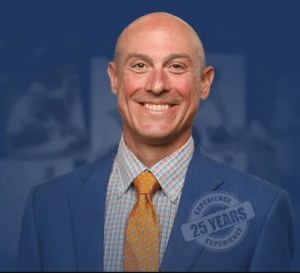 Legally Reviewed By
Attorney Jonathan Rosenfeld
Content legally reviewed by Jonathan Rosenfeld This page has been reviewed for legal accuracy by Jonathan Rosenfeld, a Chicago personal injury attorney with nearly 25 years of experience representing people injured in car, truck, motorcycle, pedestrian, and rideshare accidents. Jonathan has recovered more than $450 million in settlements and verdicts for injured clients and families in Chicago. He holds a 10/10 rating on Avvo, is a member of the Million Dollar Advocates Forum, and has been repeatedly recognized by Super Lawyers. Jonathan leads the firm’s approach to holding insurance carriers and corporate defendants accountable for serious traffic injuries.