
100% Focus on Your Recovery,
Chicago Auto Accident Lawyer
Chicago Auto Accident Lawyer
Our Team of Attorneys Are Committed to Maximizing the Value of Your Case



PTSD after a car accident can turn daily life upside down. The emotional and psychological impact of a traumatic incident often lingers long after bodily injuries begin to heal. At our law firm, we understand how serious the effects of PTSD can be for survivors of auto accidents. Our experienced personal injury attorneys help victims across Chicago seek compensation for both visible injuries and the mental trauma that follows. If you’re struggling with anxiety, intrusive thoughts, or other PTSD symptoms after a car accident, we’re here to help you move forward with proper support and experienced legal guidance.
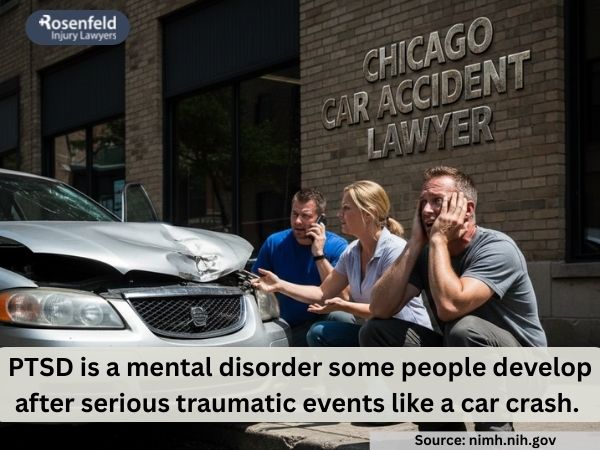
Post-traumatic stress disorder (PTSD) is a mental health condition that can develop after experiencing or witnessing a traumatic event, such as a serious car accident. It goes beyond the typical stress response and may cause intrusive memories, sleep disturbances, emotional numbness, and other long-term symptoms that interfere with everyday life.
While acute stress is common after a traumatic accident, it usually fades within a few weeks. Symptoms of PTSD last longer and often worsen without proper treatment.
Mental trauma after a car accident can be just as disruptive. Emotional symptoms like anxiety, panic, or fear may not show up immediately, yet they can profoundly affect a person’s ability to function. Both deserve equal attention and care from medical professionals.
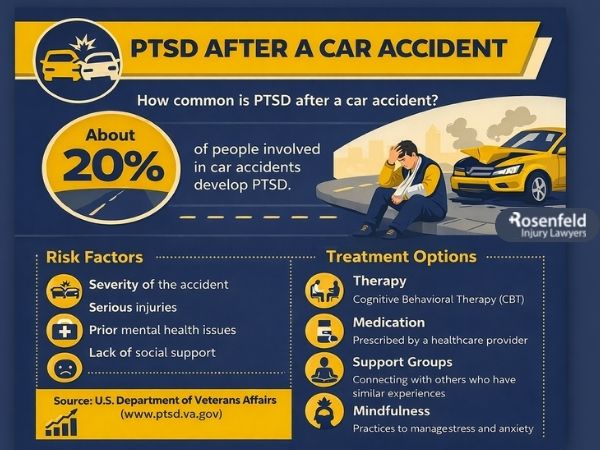
Anyone can experience posttraumatic stress disorder after a serious car accident, but some individuals face a higher risk. People with a history of trauma or pre-existing mental health conditions may be more vulnerable to developing PTSD. Those involved in high-impact or multi-vehicle crashes often face more severe emotional and physical injuries, increasing the likelihood of a lasting mental health condition.
Passengers who had no warning before the collision, or those who believed they might die during the crash, are also more prone to PTSD. The sudden shock and helplessness in these moments can leave deep psychological scars. Victims suffering from serious injuries may experience prolonged recovery, chronic pain, and emotional trauma, all of which can contribute to PTSD symptoms and interfere with healing.
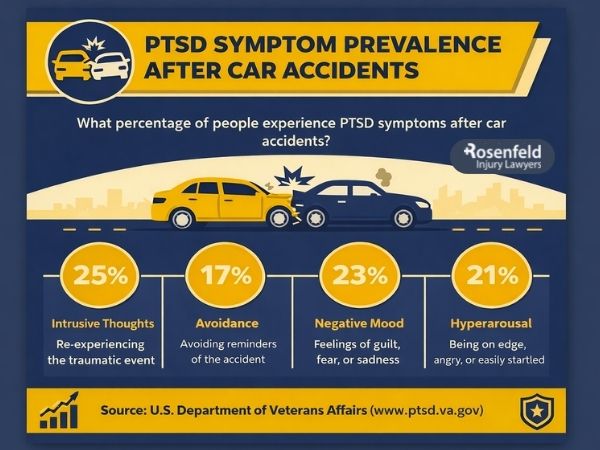
PTSD symptoms after a car accident can vary from person to person, but they generally fall into four main categories. These symptoms may appear days or weeks after the traumatic incident and often disrupt daily routines, relationships, and mental well-being.
After a motor vehicle accident, many people struggle with recurring memories, nightmares, or vivid flashbacks. These intrusive thoughts often feel uncontrollable and can be triggered by specific reminders of the crash, making it difficult to focus, rest, or feel safe in familiar environments.
To cope with overwhelming emotions, victims may begin avoiding anything related to the crash. This can include driving, discussing the event, or returning to the crash site. Over time, avoidance can limit independence, delay recovery, and interfere with everyday responsibilities.
Many people experience physical and emotional hyperarousal, including trouble sleeping, being easily startled, or constantly feeling on edge. These symptoms can create a cycle of stress that disrupts rest, concentration, and relationships.
PTSD often affects how a person sees themselves and the world. Depression after a car accident, emotional numbness, or persistent guilt are common. Some struggle with memory lapses or feel disconnected from loved ones, making it hard to re-engage with everyday life.
Chronic pain can trigger or worsen symptoms of PTSD after a car accident. Physical injuries often heal more slowly than expected, especially in severe crashes, and the ongoing discomfort can act as a constant reminder of the traumatic event. For many accident victims, the pain itself becomes linked to the psychological trauma, making it harder to move forward.
Chronic pain can also lead to sleep disturbances, irritability, and feelings of helplessness–symptoms that overlap with posttraumatic stress disorder. Over time, this cycle can reinforce negative thought patterns and make it more challenging to manage PTSD symptoms.
Treating both the physical and emotional effects of a serious car accident is essential. Ignoring one can delay recovery in the other, especially for those already struggling with PTSD. Proper support often requires coordinated care from both medical and mental health professionals.
Diagnosing post-traumatic stress disorder (PTSD) after a car accident involves a thorough evaluation by a qualified mental health professional. The process often starts with a clinical interview where the individual discusses their symptoms, the traumatic event, and how it’s affecting their daily life.
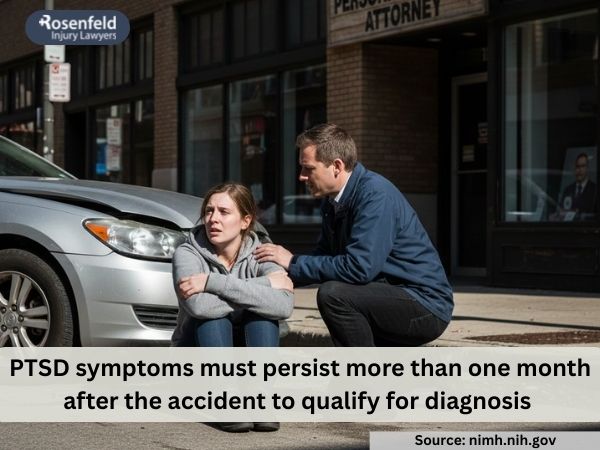
To meet the criteria for PTSD, mental health providers refer to the DSM-5, which outlines specific symptoms and how long they must persist–typically for more than one month. Trauma screening tools, such as the PTSD Checklist for DSM-5 (PCL-5), may be used to measure symptom severity.
Psychological evaluations may also include input from close family or friends who’ve observed changes in behavior. Identifying PTSD early helps ensure the person receives proper treatment and support before symptoms worsen or interfere with recovery.
Treating posttraumatic stress disorder after a car accident often involves a combination of professional help and personal coping strategies. Because PTSD symptoms can affect both mental and physical health, a structured treatment plan is essential. The right approach depends on each person’s needs, but effective options often include therapy, lifestyle adjustments, and support systems that promote long-term recovery.
Managing symptoms of PTSD after a car accident often begins with everyday tools that help reduce stress and restore a sense of control. Grounding techniques–like focusing on the present moment–can help calm anxiety during flashbacks or panic. Structured routines offer stability, while journaling allows individuals to express thoughts that may be hard to say out loud.
Strong support systems are also important. Whether through trusted friends, family, or group therapy, connection helps ease emotional trauma. Practicing good sleep hygiene, avoiding isolation, and gradually easing back into driving or riding in vehicles can also reduce fear and build confidence over time.
Prolonged exposure therapy helps survivors of auto accidents confront their fears by slowly reintroducing them to situations linked to the traumatic event. This may involve visualizing the crash, visiting the crash site, or riding in a car–all in a safe, controlled setting.
Guided by a trauma-trained therapist, individuals work through emotional reactions using step-by-step desensitization techniques. The goal is not to erase traumatic memories but to accept reminders without being overwhelmed. This method helps reduce avoidance, allowing individuals to re-engage with everyday life while managing PTSD symptoms more effectively.
Cognitive processing therapy focuses on identifying and reframing the negative thoughts that often follow a traumatic event. Many accident victims struggle with guilt, fear, or blame, especially if the crash caused serious injuries or involved someone else’s negligence.
This therapy supports long-term recovery by helping individuals recognize how the traumatic event affected their beliefs about safety, trust, and control. Over time, cognitive processing therapy promotes healthier thinking patterns and emotional resilience. For many car accident survivors, it leads to stronger emotional well-being, improved relationships, and a better quality of life.
The financial compensation available for PTSD after a car accident in Chicago can vary widely, depending on several key factors.
According to Law.com’s VerdictSearch, awards range from as low as $6,770 to as high as $20 million. The average payout is approximately $4.19 million, while the median award is $1.95 million.
This wide value range reflects the many variables involved in PTSD-related claims, including:
In claims involving PTSD after a car accident, damages can include both economic and non-economic losses. Economic damages cover measurable financial harm, such as medical expenses for supportive therapy, psychiatric care, anti-anxiety medications, and future treatment costs. Lost wages and diminished earning capacity are also common, especially if PTSD symptoms interfere with work.
Non-economic damages address the emotional toll of posttraumatic stress disorder. These may include compensation for pain and suffering, mental anguish, sleep disturbances, and loss of enjoyment of life. In some cases, damages may reflect how PTSD has disrupted relationships, daily routines, or long-term plans.
Victims of car accidents dealing with severe PTSD often work with our experienced personal injury lawyers to calculate the full value of their losses and seek compensation that reflects both the immediate and lasting impact of the traumatic event.
In 2019, Diane Schachner was struck and dragged 27 feet by a CTA bus while crossing near Fairbanks and Ontario in Chicago. She suffered severe leg injuries, multiple surgeries, permanent disability, and was diagnosed with post-traumatic stress disorder. Schachner remained conscious while pinned under the bus for nearly 30 minutes. Her legal team alleged negligence; the defense claimed she was outside the crosswalk and partly at fault. Despite disputes over liability and damages, the Chicago Transit Authority agreed to a $20 million pretrial settlement.
In 2011, Richard Chang was hit by a City of Chicago waste truck driven by an intoxicated employee. He sustained severe brain and facial injuries, resulting in permanent cognitive and physical impairments. His wife, Leeann, also injured, was later diagnosed with PTSD and became his full-time caregiver. The city admitted liability but disputed damages. Before trial, the City of Chicago agreed to a $6.25 million settlement for the couple’s combined claims.
If you believe you’re experiencing PTSD after a car accident, start by seeking a psychological evaluation from a qualified mental health professional. Early diagnosis is key to managing symptoms and building the best treatment plan.
Document any emotional changes, traumatic memories, sleep disturbances, or anxiety. Keep a daily journal of symptoms and how they affect your everyday life. Follow all recommended treatments, including therapy and medications. These records help show the seriousness of your condition.
Avoid discussing your emotional well-being with insurance adjusters, as your statements may be used to downplay your claim. Before moving forward with a claim, speak with a Chicago car accident lawyer. Legal guidance early on can protect your rights and help you seek compensation for both emotional and physical injuries.
A Chicago personal injury attorney plays a critical role in cases involving post-traumatic stress disorder. They understand how to build a strong claim that reflects both the visible injuries and the emotional trauma caused by a serious crash. By gathering medical records, expert opinions, and documented PTSD symptoms, your attorney can present a complete picture of the impact on your life.
An experienced car accident lawyer will also handle all communication with insurers, making sure your mental health condition isn’t minimized or misunderstood. They can calculate damages that account for treatment costs, therapy, lost income, and emotional suffering.
Having the proper legal support ensures you’re not left dealing with the consequences of a traumatic accident alone. Your attorney helps you seek compensation that reflects the true scope of your injuries.
PTSD after a car accident can affect every part of your life, from your health to your ability to work or enjoy time with loved ones. If you’re dealing with emotional trauma, negative thoughts, or long-term stress disorder PTSD, you don’t have to face it alone.
Our team is here to listen, guide, and fight for the compensation you deserve. Speak with a Chicago car accident lawyer who understands the lasting impact of a traumatic event and has the experience to hold the right parties accountable.
Contact us to schedule your free consultation. There’s no obligation–just the chance to get the answers and legal support you need to move forward.