- Free Consultation: (312) 313-0306 Tap Here To Call Us






What to Do After a Head-On Car Accident: A Step-by-Step Guide


Key Takeaways
After a head-on collision, seek medical attention immediately, report the accident, and document the scene if you are able. Determining fault is an important part of the claims process and may require a detailed investigation, especially when liability is disputed. Because these accidents often result in serious injuries and significant financial losses, understanding your compensation options early can be important.
After a head-on collision, call 911, get medical care even if you feel fine, photograph the scene, exchange information, report the crash to your insurer, and talk to a lawyer before giving a recorded statement to the other driver’s insurance company.
Introduction
A head-on collision can result in serious injuries, costly medical treatment, and uncertainty about what comes next. The steps you take after the crash can affect both your recovery and your ability to pursue compensation.
In the moments after a crash, it can be difficult to think clearly. Understanding what to do after head-on car accident steps can help protect your health, preserve important evidence, and strengthen any future insurance or legal claim.
Step 1: Check for Injuries and Call 911
Your health and safety should always come first.
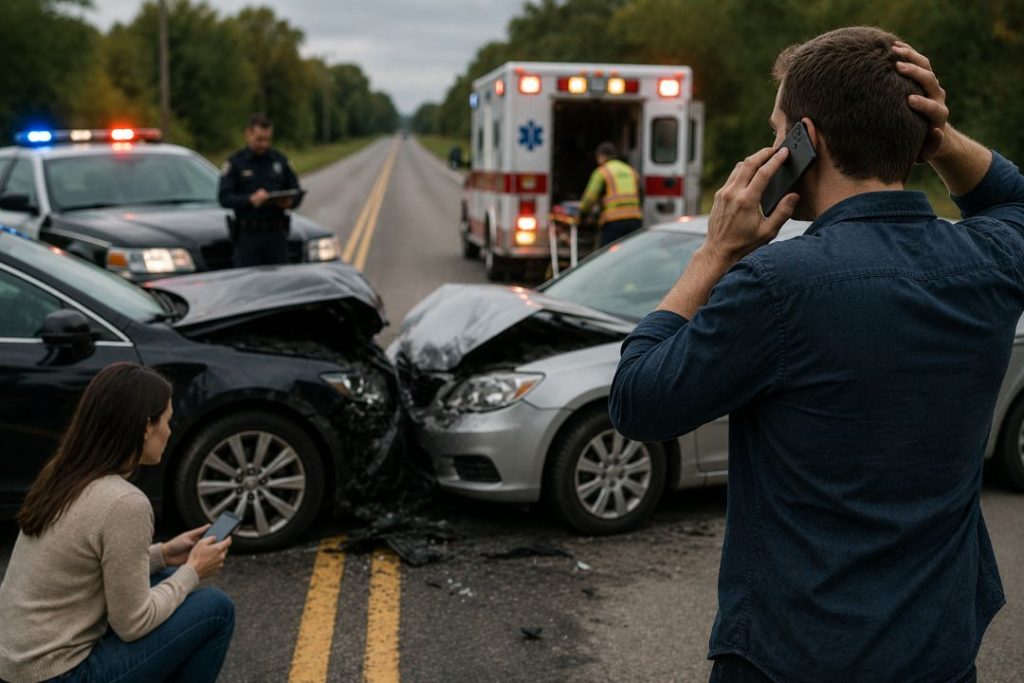
After a head-on collision, call 911 immediately and request medical assistance. Stay at the scene until police arrive, and if you are hurt or unsure, wait for emergency responders before trying to move. Even if you feel relatively unharmed, it is important to be evaluated by emergency responders. Some injuries may not be immediately noticeable due to shock or adrenaline.
Common Head-On Collision Injuries
Common head-on collision injuries include:
- Traumatic brain injuries
- Spinal cord injuries
- Broken bones
- Internal bleeding
- Neck and back injuries
- Chest injuries caused by seat belts or airbags
Prompt medical attention not only protects your health but also creates medical records that may become important if you later pursue compensation.
Step 2: Document the Accident Scene
If you are physically able to do so, gather as much information as possible before leaving the scene.
Try to collect:
- Photos of all vehicles involved
- Images of skid marks and road conditions
- Traffic signs and signals
- Contact information for witnesses
- Insurance and driver information from the other party
- Dashboard camera or nearby security camera footage, if any.
You should also ask how to obtain a copy of the police report.
Photos, witness statements, and police reports can help establish how the accident occurred and who may be responsible. If you’re searching for what to do after head-on car accident steps, documenting the scene is one of the most important actions you can take after receiving medical attention.
Step 3: Seek Medical Treatment Even If You Feel Fine
Many people assume they are uninjured if they can walk away from the crash. Unfortunately, that is not always the case.
Symptoms from concussions, internal injuries, and soft tissue damage may take hours or even days to appear. Delaying treatment can make recovery more difficult and may also create challenges when filing an insurance claim.
Follow your doctor’s recommendations and attend all follow-up appointments. Consistent treatment helps document the full extent of your injuries and recovery.
Step 4: Understand What Caused the Collision
Determining what caused the accident is a critical part of any claim.
Common Causes of Head-On Collisions
Some of the most common causes of head-on collisions include:
- Distracted driving
- Drunk or impaired driving
- Drowsy driving
- Speeding
- Unsafe passing
- Wrong-way driving
- Poor visibility or hazardous weather conditions
Step 5: Learn Who May Be At Fault
One of the most common questions after a serious crash is: who is at fault in a head-on collision? In many situations, fault falls on the driver who crossed the center line or entered oncoming traffic. Illinois law generally requires drivers to stay on the right half of the roadway (625 ILCS 5/11-701) and to pass oncoming vehicles to the right (625 ILCS 5/11-702). There are exceptions, such as passing and road obstructions. However, fault is not always straightforward.
Insurance companies and investigators may review evidence such as police reports, witness statements, traffic footage, and vehicle damage.
Can Both Drivers Share Fault?
Yes. Illinois follows a modified comparative negligence system, which means more than one party can share responsibility for an accident. If both drivers contributed to the crash, fault may be divided between them. Because fault can directly affect compensation, a thorough investigation is often necessary. An injured person can still recover as long as they are not more than 50% at fault, but the compensation is reduced by their share of fault (735 ILCS 5/2-1116).
Step 6: Notify Your Insurance Company
You should report the accident to your insurance company as soon as possible.
Provide accurate information about the crash and cooperate with reasonable requests for documentation. Your insurer will likely review the police report, assess vehicle damage, and investigate liability.
Because these crashes often involve serious injuries, insurance investigations are typically more detailed.
Before you give a recorded statement to the other driver’s insurance company, it is worth talking to a lawyer. If the other driver had no insurance, or not enough, your own uninsured or underinsured motorist coverage may apply.
Step 7: Understand Your Right to Compensation
A serious collision can create financial challenges that extend far beyond the initial medical bills.
Head-On Car Accident Compensation
Depending on the circumstances, injured victims may be entitled to recover compensation for:
- Medical expenses
- Future medical treatment
- Lost wages
- Reduced earning capacity
- Pain and suffering
- Property damage
- Rehabilitation expenses
Compensation after a head-on collision will depend on the severity of the injuries and the impact they have on your daily life.
What Affects a Head-On Collision Settlement?
Every head-on collision settlement is different. Factors that can affect the value of a claim include:
- Severity of injuries
- Length of recovery
- Permanent disabilities
- Available insurance coverage
- Liability findings
- Future medical needs
A settlement should account for both current and future losses.
When Should You Contact a Lawyer?
Not every accident requires legal representation. However, head-on collisions frequently involve serious injuries, disputed fault, and substantial damages.
You may benefit from speaking with a head on car accident lawyer Chicago if:
- You suffered significant injuries
- Liability is being disputed
- Multiple parties were involved
- The insurance company denied your claim
- You are facing extensive medical treatment
An attorney can help investigate the crash and protect your interests throughout the claims process.
If you are considering legal representation, our guide on how to choose a car accident attorney in Chicago explains what to look for when selecting a lawyer.
Bottom Line
A head-on collision can leave victims facing serious injuries, mounting expenses, and uncertainty about what comes next. Knowing what to do after head-on car accident steps can help protect your health, preserve important evidence, and strengthen a potential claim.
Taking the right steps early can make a meaningful difference in your recovery and claim.
If you were injured in a head-on collision, Chicago Auto Injury Lawyers is here to help. Our team can evaluate your case, explain your rights, and help you pursue compensation for your injuries and losses.
Contact Chicago Auto Injury Lawyers today to speak with an experienced Chicago car accident attorney.
Frequently Asked Questions
Head-on collision injuries commonly include traumatic brain injuries, spinal cord injuries, broken bones, internal injuries, chest trauma, and severe neck or back injuries.
In many cases, fault falls on the driver who crossed into oncoming traffic. However, investigators must review all available evidence before liability is determined.
A head-on collision settlement is typically based on factors such as medical expenses, lost income, injury severity, future treatment needs, pain and suffering, and available insurance coverage.
Possibly. Illinois follows a modified comparative negligence rule, which may allow injured parties to recover compensation even if they share some responsibility for the accident. An injured person can still recover as long as they are not more than 50% at fault, but the compensation is reduced by their share of fault (735 ILCS 5/2-1116).
Most personal injury claims in Illinois must be filed within two years of the accident (735 ILCS 5/13-202). Some claims, such as those against a government body, have a shorter deadline, so it is wise to talk to a lawyer early.
If you suffered serious injuries, are facing disputed liability, or are having difficulty dealing with insurance companies, speaking with an attorney can help you understand your legal options.
Your own uninsured motorist coverage may apply. Illinois requires uninsured motorist coverage on auto policies, and it also covers you if a hit-and-run driver caused the crash. Talk to a lawyer before you give the insurance company a statement.
Only if it is safe and your car can be moved. If you are hurt, or you are not sure, stay where you are, call 911, and wait for emergency responders.
 Legally Reviewed By
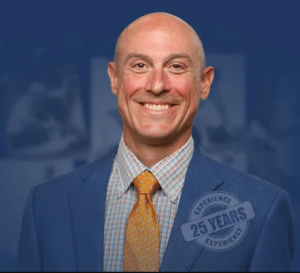
Attorney Jonathan Rosenfeld
Content legally reviewed by Jonathan Rosenfeld This page has been reviewed for legal accuracy by Jonathan Rosenfeld, a Chicago personal injury attorney with nearly 25 years of experience representing people injured in car, truck, motorcycle, pedestrian, and rideshare accidents. Jonathan has recovered more than $450 million in settlements and verdicts for injured clients and families in Chicago. He holds a 10/10 rating on Avvo, is a member of the Million Dollar Advocates Forum, and has been repeatedly recognized by Super Lawyers. Jonathan leads the firm’s approach to holding insurance carriers and corporate defendants accountable for serious traffic injuries.