- Free Consultation: (312) 313-0306 Tap Here To Call Us







What Happens If You Cause a Fatal Car Accident in Chicago?


Key Takeaways
Causing a fatal car accident does not automatically result in criminal charges, but reckless or unlawful conduct may lead to prosecution. Even if no criminal charges are filed, surviving family members may still pursue compensation through a wrongful death claim. Because fatal accident cases often involve complex investigations, liability questions, and insurance issues, the legal consequences can extend well beyond the crash itself.
Introduction
A fatal car accident can change lives in an instant. If you were involved in a crash that resulted in someone’s death, you may be wondering what happens next and whether you could face criminal charges, a lawsuit, or both.
The answer depends on the circumstances of the accident. Factors such as speeding, distracted driving, impairment, and other forms of negligence can affect how law enforcement, insurance companies, and the courts handle the case, especially when it comes to pursuing compensation in hit and run cases.
Understanding the process can help you prepare for what may happen in the days, weeks, and months ahead.
What Happens Immediately After a Fatal Car Accident?
A fatal crash is investigated much more thoroughly than a typical car accident.
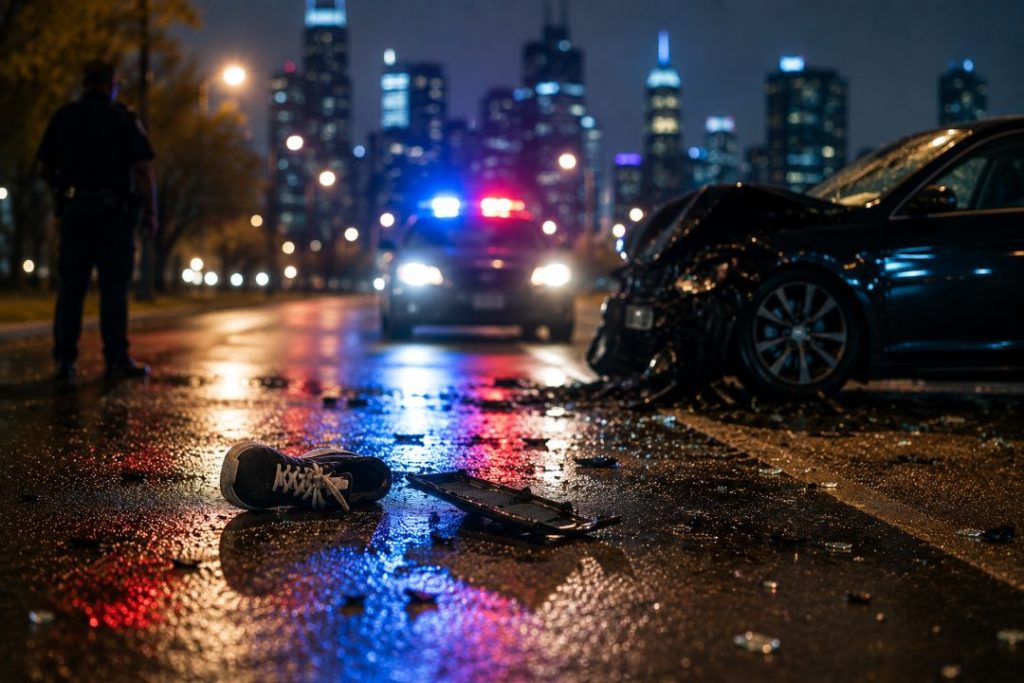
Police officers will secure the scene, interview witnesses, gather evidence, and document what happened. In many cases, accident reconstruction specialists may also be involved, which is often important when understanding what to do after a rear-end accident.
Investigators will look at factors such as:
- Vehicle damage
- Road conditions
- Traffic camera footage
- Witness statements
- Cell phone records
- Toxicology reports when appropriate
The goal is to determine exactly how the accident occurred and whether any traffic laws were violated.
Will You Automatically Be Charged With a Crime?
Not necessarily. One of the biggest misconceptions about fatal accidents is that a death automatically results in criminal charges.
Accidents can happen even when a driver is acting reasonably. If investigators determine that the collision was a tragic accident rather than the result of reckless or criminal behavior, prosecutors may decide not to file charges, and victims may instead seek legal help after a truck crash in Chicago.
However, certain circumstances can increase the likelihood of criminal prosecution.
Criminal Charges for a Fatal Car Accident
When a fatal accident involves reckless or unlawful conduct, prosecutors may pursue criminal charges.
Examples include:
- Driving under the influence
- Excessive speeding
- Street racing
- Reckless driving
- Leaving the scene of the accident
- Distracted driving involving serious misconduct
The specific charge depends on the facts of the case.
Vehicular Manslaughter in Illinois
Many people search for information about vehicular manslaughter in Illinois. While Illinois law uses different legal terminology, drivers who cause a fatal accident through reckless conduct may face charges such as reckless homicide or aggravated DUI involving a fatality, including cases involving legal help after Amazon truck crashes.
These are serious offenses that can result in substantial fines, loss of driving privileges, probation, or imprisonment, particularly in situations involving legal help after dump truck collisions.
Penalties for Causing a Fatal Car Accident in Illinois
The penalties for causing a fatal car accident in Illinois vary depending on the circumstances.
Factors that can affect potential penalties include:
- Whether alcohol or drugs were involved
- Prior driving violations
- The number of people killed
- Whether the driver fled the scene
- Evidence of reckless conduct
In more serious cases, penalties may include prison time, license revocation, significant fines, and a permanent criminal record.
Can the Victim’s Family File a Lawsuit?
Yes. Even if criminal charges are never filed, surviving family members may still pursue compensation through a civil lawsuit.
This is where many people become confused.
A driver can avoid criminal prosecution and still be held financially responsible for a fatal accident. Families often pursue legal action when they believe negligence contributed to the crash and caused the loss of their loved one, including through Chicago trucking wrongful death claims.
Fatal Car Accident Lawsuit in Illinois
When someone dies because of another person’s negligence, surviving family members may have the right to file a wrongful death claim under the Illinois Wrongful Death Act (740 ILCS 180/).
A fatal car accident lawsuit in Illinois may seek compensation for:
- Funeral and burial expenses
- Medical expenses incurred before death
- Loss of financial support
- Loss of companionship
- Emotional suffering experienced by surviving family members
For a closer look at the process, our guide on how does a wrongful death lawsuit work in Chicago explains what families can expect and how these claims move through the legal system.
Families considering legal action often speak with a Chicago wrongful death lawyer to better understand their rights and available options.
What Happens if You Were Only Partially at Fault?
Not every fatal accident has a single cause. In some cases, multiple drivers may share responsibility for the collision.
Insurance companies, investigators, and courts may examine the actions of everyone involved before determining fault. Evidence such as witness statements, crash reports, vehicle damage, and electronic data can all play a role in determining what compensation can truck accident victims recover.
Because every accident is different, fault is not always as clear as it may initially appear.
How Insurance Handles an At-Fault Fatal Car Accident
Insurance companies conduct their own investigations after a fatal collision.
Adjusters will review evidence, examine liability issues, and evaluate potential damages. Because fatal accident claims often involve substantial compensation, these investigations are usually more detailed than those involving minor crashes, especially when assessing understanding FedEx truck injury compensation.
Insurance coverage can play a significant role in determining how claims are resolved. However, policy limits do not always fully cover the damages sought in a fatal accident lawsuit, which is why understanding truck accident compensation estimates is important.
Why Legal Guidance Matters
Fatal accident cases often involve insurance investigations, questions about liability, and potential wrongful death claims. For families who have lost a loved one, understanding their legal rights can be difficult during an already overwhelming time, making it important to consider questions to ask before hiring a car accident attorney.
An experienced Chicago fatal car accident lawyer can help investigate the crash, identify responsible parties, and pursue compensation when negligence contributed to a fatal collision.
In Conclusion
If you cause a fatal car accident, the consequences can extend far beyond the crash itself. Depending on the circumstances, you may face a criminal investigation, criminal charges, insurance claims, and civil liability, along with guidance from a head-on accident injury claim guide.
At the same time, surviving family members may have the right to pursue compensation through a wrongful death claim. If your family lost a loved one because of another driver’s negligence, speaking with a Chicago wrongful death lawyer can help you understand your options and determine the next steps.
If your family lost a loved one in a fatal car accident, Chicago Auto Injury Lawyers can help you understand your rights and whether a wrongful death claim may be available. Our team can review the circumstances of the crash, explain the legal process, and help you pursue compensation from the parties responsible for your loss, including guidance on who can file a wrongful death lawsuit in Illinois.
Frequently Asked Questions
A fatal accident does not automatically lead to criminal charges. Investigators will review the facts of the crash to determine whether negligence, recklessness, or other unlawful conduct contributed to the death.
Possibly. Drivers may face jail or prison time if the accident involved criminal conduct such as DUI, reckless driving, or leaving the scene.
Yes. A wrongful death lawsuit is separate from a criminal case. Families may pursue compensation even if criminal charges are never filed.
Potential penalties can include fines, license suspension, probation, restitution, and imprisonment depending on the circumstances.
 Legally Reviewed By
Attorney Jonathan Rosenfeld
Content legally reviewed by Jonathan Rosenfeld This page has been reviewed for legal accuracy by Jonathan Rosenfeld, a Chicago personal injury attorney with nearly 25 years of experience representing people injured in car, truck, motorcycle, pedestrian, and rideshare accidents. Jonathan has recovered more than $450 million in settlements and verdicts for injured clients and families in Chicago. He holds a 10/10 rating on Avvo, is a member of the Million Dollar Advocates Forum, and has been repeatedly recognized by Super Lawyers. Jonathan leads the firm’s approach to holding insurance carriers and corporate defendants accountable for serious traffic injuries.